
Why Your Automotive Automation ROI Is Hiding in Plain Sight
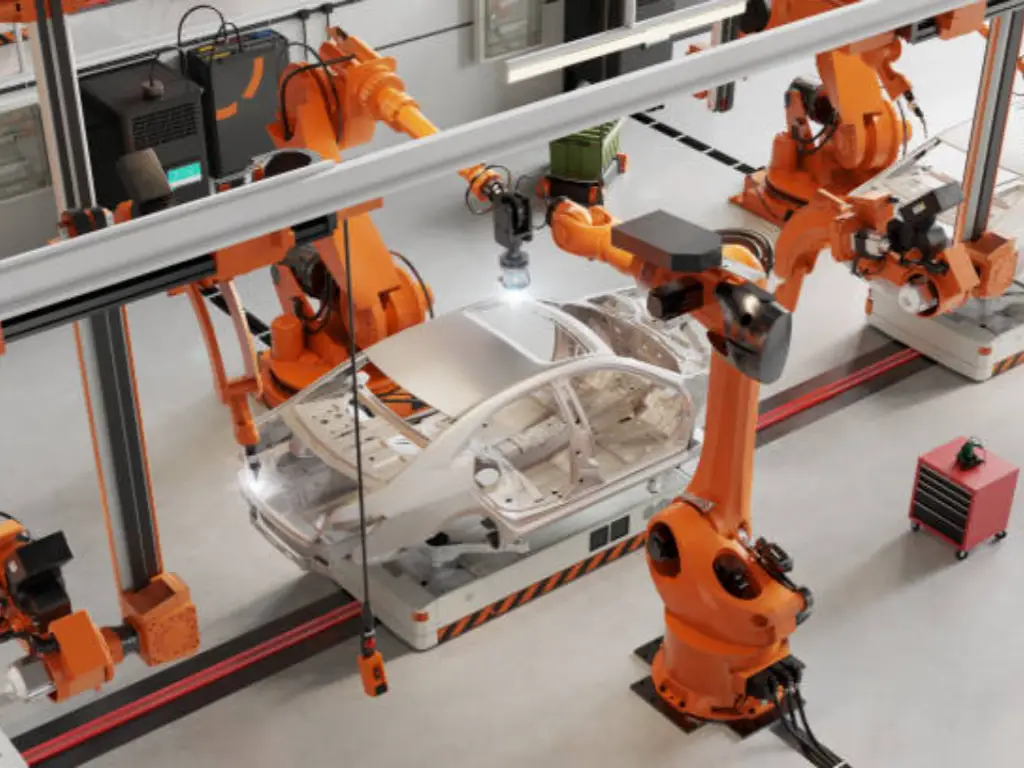
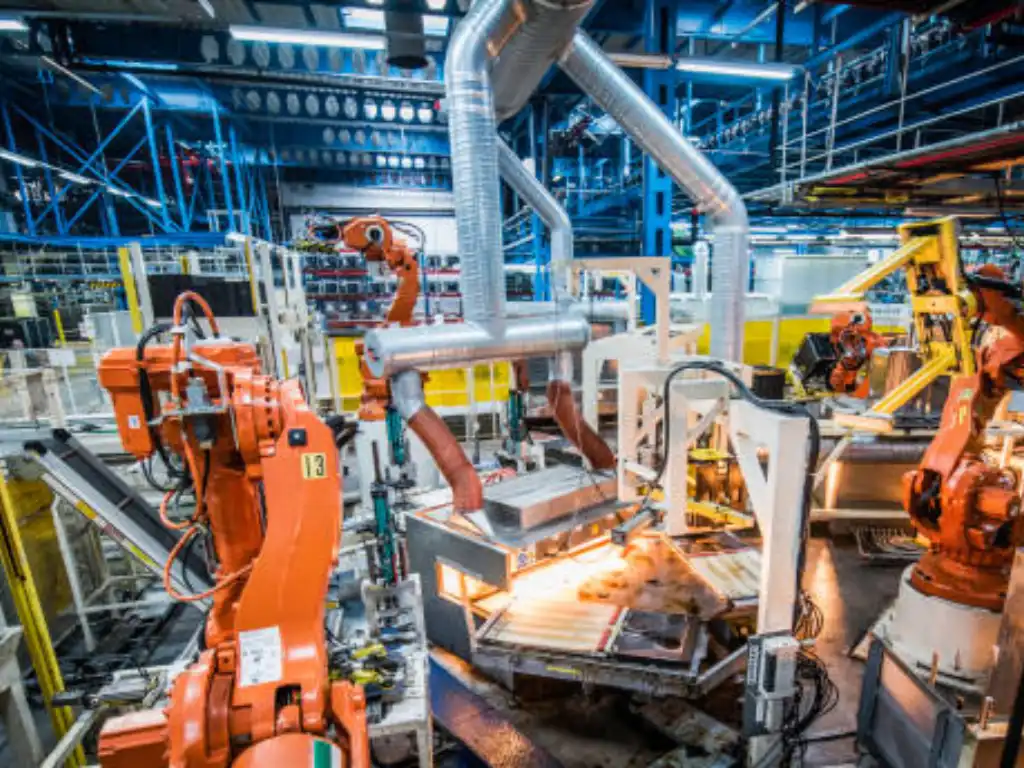
The word automotive automation in the context of the automotive industry—specifically automotive manufacturing—evokes images of giant, six-axis industrial robots (part of a larger robotic automation strategy) dancing about in a shower of sparks, or of glittering, sophisticated vision systems that are inspecting parts at a rate that is superhuman. These advanced robotic systems are the show stars, the multi-million dollar investments that are the main focus of every factory upgrade on the factory floor and are the main focus of shareholder reports. They also cause a lot of anxiety to both the plant managers and CFOs.
The fear is based on the mind-blowing capital expenditure (CapEx) and the frightening complexity of these robotic systems. The question that is keeping production managers up at night is not whether automation will work, but what will happen when it stops? They are afraid of the red light that flashes silently on a control panel, which means the stop of a line that costs tens of thousands of dollars per minute when it is not running.
This fixation on complicated, expensive robotics has produced a fatal blind spot. We are so preoccupied with the “brains” of the operation that we have forgotten the “muscles.” The real key to a sustainable and profitable Return on Investment (ROI) in the broader automotive sector is not necessarily the most costly robot; it is right before your eyes. It is in the huge, mighty, and frequently neglected mechanisms which furnish the real movement, energy, and holding power. It is in the elements that tirelessly, round after round, in the most inhospitable conditions, toil. The secret of the real ROI lies in the basic reliability and cost-effectiveness of pneumatic components. This paper will discuss why this established technology is the unsung hero of the factory floor and the foundation of a lucrative automation plan.
Decoding Automotive Automation: The Key Manufacturing Processes That Drive Production
To begin with, we should make a critical distinction. The term automotive automation is often confused with vehicle automation and technology inside the car, such as autonomous vehicles (or self-driving systems) and driver-assist features. This autonomous vehicle technology is fascinating, often using artificial intelligence to handle critical situations or potential hazards, but it’s focused on the driving experience in new vehicles, not the manufacturing process.
However, our focus is on Automotive Manufacturing Automation: the technology that builds the car itself as part of the car manufacturing process. This domain operates in a high-takt-time, high-durability, and high-pressure environment. To truly understand the role of any component, one must first grasp the main arenas where automation is implemented.
Body-in-White (BIW): Precision in Welding, Riveting, and Stamping
The Body-in-White (BIW) phase is the one in which the “skeleton” of the car is put together. This is the area of high automation where raw stamped metal panels are assembled to create the frame of the vehicle. Three main tasks are carried out by automation here:
- Stamping: The flat metal sheets are pressed into doors, hoods, and body parts by giant presses, which are usually automated.
- Lifting & Positioning: These heavy, cumbersome panels are lifted by robotic arms or gantries and inserted into fixtures (jigs).
- Joining: Robots, performing highly repetitive tasks, use hundreds of spot welds, rivets, or laser welds to join the structure together. The process produces a lot of heat, electromagnetic interference (EMI), and a continuous stream of welding slag.
The most important requirements in BIW are high clamping force, high repetition speed, and complete durability.
Powertrain Assembly: From Engine Blocks to EV Battery Packs
The powertrain, or the “heart” of the car, is assembled in a different, highly automated process. Historically, this entailed the assembly of internal combustion engines (ICE) and transmissions, which entailed the handling of heavy, oil-coated cast-metal components with great precision.
This has today developed to incorporate the manufacture of electric motors and, most importantly, electric vehicles (EV) battery packs, a key part of the industry’s transition to electric power. This new frontier has its own challenges. Battery modules are bulky but fragile. They should be treated with accuracy and delicacy, and in most cases, in clean places. Lifting, inserting, fastening, and testing these high-value, critical components are done by automation in powertrain.
Final Assembly & Quality Control: The Last Mile of Automation
Final Assembly is the place where the painted BIW, the powertrain, and thousands of other parts (dashboards, seats, wiring harnesses, windshields) are assembled to make a complete vehicle. This “last mile” is a combination of human workers and advanced automation.
Cobots (a term popularized by data from sources like the International Federation of Robotics) could be used to assist human workers in applying sealant to a windshield or installing a spare tire. The “marriage” is done by larger robots, which pick up the whole powertrain assembly and attach it to the chassis of the vehicle. Lastly, Quality Control (QC) automation comes in. Before the car comes off the line, vision systems scan the paint defects, robotic probes scan the gaps for precise quality control, and test stations confirm product quality and all the electronic functions—even complex infotainment systems. This high level of automation at the QC stage is designed to catch any defect and significantly reduce the risk of human error. This focus on minimizing human error leads to fewer errors and a better final product.
The High Cost of Downtime: The True Barrier to Automation ROI
In order to understand why component choice is so important, it is necessary to know the key religion of automotive manufacturing: Takt Time.
Takt time is the beat of the factory, the exact time that is needed to manufacture one unit to satisfy customer demand. This can be less than 60 seconds on a modern assembly line or one of its supporting production lines. Every minute, every hour, every shift, a new car comes out of the line.
The biggest obstacle to ROI and overall efficiency in this environment is downtime. It is the ultimate profit killer. A failure of one part of a $20 million automated line halts the whole line. The economic bleeding is direct and disastrous. Let’s do simple math:
- Takt Time: 60 seconds (1 car/minute)
- Cars per hour: 60
- Average profit margin per vehicle (conservative): $2,000
- Lost profit per hour of downtime: 60 x 2,000 = $120,000
This estimate does not even take into consideration the idle labor expenses of hundreds of employees, the possibility of gridlock in the supply chain (i.e., supply chain disruptions), or the lost delivery times. This highlights the critical need for robust supply chain management, as the automotive supply chain is so complex that a halt can impact inventory levels across the entire supply chain. A 10-minute downturn to troubleshoot and change a complicated, broken servo motor can easily cost 20,000 dollars in revenue. Thus, speed is not the main objective of any automation investment, but continuous, stable speed. Here the controversy between complicated electrical systems and strong pneumatic systems is the question of ROI.
How Pneumatic Components Directly Maximize Your Automation ROI
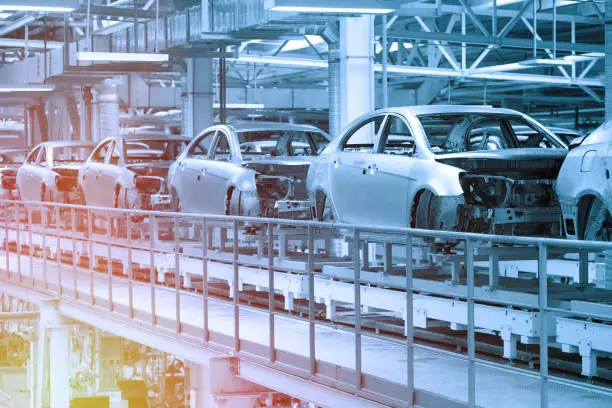
In the case of a production manager considering a new automation system, the calculation of ROI is a balance between two forces: the initial investment (CapEx) and the long-term cost of operation (OpEx), all divided by the disastrous risk of downtime.
It is here that pneumatic parts, which play a vital role by using compressed air to generate movement, prove their invaluableness.
The Cost-Effectiveness Factor: Lower CapEx and Simplified Maintenance
In a large number of applications on an assembly line, the work is easy: move object A to point B, hold part C in place, or push pin D into place. These are jobs that demand force, speed and repetition.
- Reduced Capital Expenditure (CapEx): To do this with an electric servo system, you require a servo motor, a precision gearbox, a drive, a controller, and complicated shielded cabling. A simple air cylinder and a valve are required to do the same thing with pneumatics. In the case of linear motion, clamping, and gripping, the pneumatic version can be a fraction of the price of the electrical version. This saving is titanic when it is multiplied by the thousands of actuators on a single line.
- Simplified Maintenance (Reduced OpEx): This is where the savings really multiply. A failure of a $2,000 electric servo drive will need a special automation technician, a laptop, and diagnostic software. The process of troubleshooting may be time consuming. A failure of a $100 pneumatic cylinder (which is not common) can be replaced by a general plant mechanic in less than 10 minutes with two wrenches and one air fitting. The line is back up. The ease of pneumatic parts is directly translated into less downtime and less skilled maintenance need, which will radically reduce your operational budget.
The Reliability Factor: Built Tough for the Automotive Factory Floor
The other side of the ROI coin is reliability, which is more important. One of the most hostile industrial environments on earth is the automotive factory.
- Resistant to Hostile Conditions: Metallic dust and welding slag are present in the air in the BIW-area. Electronic sensors become clogged. Electric motors have sensitive encoders that may fail due to the high EMI produced by spot welders. Flammable fumes in the paint shop render any non-intrinsically-safe electronic device a fire hazard. Pneumatics thrive here. They do not have complicated electronics at the point of action. They are mechanically simple, closed systems, which are not affected by dust, magnetic fields, or dangerous atmospheres.
- Heat Tolerance: Electric motors produce heat and may overheat in hot climates or when cycling at high speed. Pneumatics are inherently self-cooling. The expanding compressed air in the cylinder produces a cooling effect (the Joule-Thomson effect) and enables them to operate in hot environments 24/7 without derating or failure.
This natural hardiness implies that pneumatic parts break down much less often in the very conditions that afflict high-tech electronics. Fewer failures translate to fewer downtimes. Reduced downtime translates to a secured and maximized ROI.
Where Pneumatics Shine: Key Applications in the Automation Lifecycle
The theoretical advantages are obvious. But where, in practice, are pneumatic components the unquestioned champions? They are the workhorses in many automotive applications across all manufacturing phases.
- In Body-in-White (BIW): See any welding set up. Those massive pneumatic clamps are what are keeping the frame of the car in place with thousands of pounds of force as the robots weld. The pins that position and center the panels are moved by powerful pneumatic cylinders and ensure the perfect positioning of the panels.
- In Powertrain: Pneumatic grippers are the “fingers” on a robot that collects heavy engine parts on the End-of-Arm-Tooling (EOAT). Delicate battery laminates and casings are handled by pneumatic vacuum generators and suction cups.
- In Final Assembly: That robot putting in that windshield? It is contained in huge pneumatic suction cups. The dashboard is being fitted? Probably it is a custom fitting that is triggered by pneumatic cylinders and grippers.
- In Quality Control: The probes that gently touch the car body to measure panel gaps are commonly long and pulled in and out by small, fine pneumatic actuators. All the fixtures containing parts to be inspected by vision are driven by pneumatics.
Simply put, the robots are the ones that give the complex, multi-axis path, but the pneumatic components at the end of the arm are the ones that do the actual, value-added work of gripping, clamping, lifting, and holding.
Not All Pneumatic Parts Are Created Equal: Securing Your ROI with a Specialist Partner
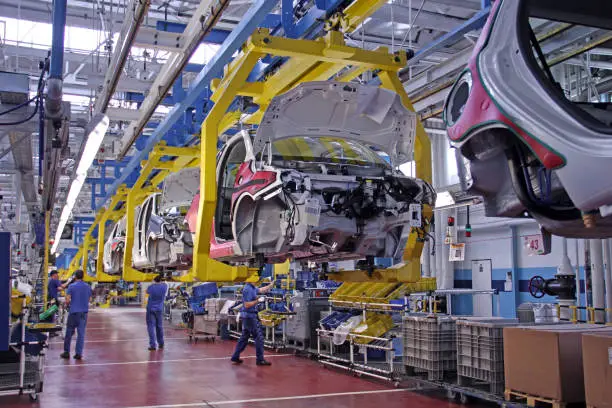
At Hebai-Omch, we understand that pneumatic components are the backbone of your automation systems. Choosing the right parts is crucial to ensuring long-term, efficient operations and maximizing your return on investment (ROI). But not all pneumatic components are created equal. Opting for lower-quality parts can quickly turn your investment into a liability.
The Risk of Low-Quality Pneumatic Parts
When you choose cheaper pneumatic components, you’re opening the door to a range of issues: air leaks, early seal wear, and inconsistent pressure control. These issues waste energy, increase operational costs, and result in more frequent maintenance. For example, our FRL units offer a pressure range of 0.1-1.0 MPa and 500–4000 L/min flow rate, providing optimal air filtration and pressure regulation, which help reduce energy consumption and prevent costly downtime. Low-quality alternatives often can’t provide this level of performance, causing your system to underperform and ultimately diminishing the ROI of your automation investment.
Why Hebai-Omch Makes the Difference
As a specialist manufacturer, we focus on high-quality pneumatic components that guarantee reliability and durability. Here’s how we ensure you get the best:
- Superior Materials: Our components are crafted from high-grade materials like stainless steel and engineering plastics, ensuring enhanced durability and corrosion resistance. This is critical for reducing the wear and tear that can compromise system efficiency, making our parts ideal for demanding applications in industries like manufacturing, food, and pharmaceuticals.
- Precision Engineering: With tighter manufacturing tolerances, our components provide efficient air flow and airtight seals. For example, our AFR series integrates filter and pressure regulation into a compact design, with precise performance for reduced energy waste. Additionally, our air cylinders are designed for high IP ratings (up to IP68), ensuring long-term protection against dust and moisture in even the harshest environments.
- Rigorous Quality Control: All our products, such as pneumatic cylinders, undergo strict testing to meet CE, CCC, and RoHS certifications. This ensures long-lasting, reliable performance across various industries, providing confidence that the parts you use are up to the highest industry standards.
Maximize Your ROI with Hebai-Omch
Choosing Hebai-Omch ensures:
- Lower Maintenance Costs: Our high-quality parts require less frequent repairs and downtime, cutting maintenance costs significantly. For example, our AFC2000 series offers a 3-in-1 filter-regulator-lubricator combination, simplifying your maintenance routine and reducing the need for multiple components.
- Energy Efficiency: With components designed for 25-40 μm filtration and precise pressure control, we help optimize your system’s energy consumption, ensuring cost savings in the long run.
- Increased Equipment Lifespan: Components like our high-IP rated cylinders and durable FRL units guarantee a longer operational life, reducing the need for replacements and further minimizing costs. Our cylinders, for example, offer a lifespan of up to 10 million cycles, ensuring that your investment continues to deliver value over time.
- Customization and Flexibility: We offer extensive customization options across parameters such as pressure, filtration, interface types, and stroke length, ensuring that your system is tailored to meet your specific needs, making Hebai-Omch the preferred partner for diverse industrial applications.
In short, partnering with Hebai-Omch means securing your ROI through high-quality, efficient pneumatic solutions. Our components are designed to ensure your automation system operates at peak performance, saving you money and increasing productivity over time. By choosing Hebai-Omch, you’re investing in reliability, longevity, and the confidence that your automation system is performing at its best.
The Future of Pneumatics: Smart Components in Industry 4.0 Automation
It is a myth that pneumatics is old technology. Nothing can be more opposite to the truth. The future of pneumatics is smart, networked, and the heart of the smart manufacturing (Industry 4.0) factory. This is the world of Smart Pneumatics, and it’s following key market trends.
| Feature Category | Description | Key Benefits |
| IO-Link Integration | Pneumatic valve terminals are connected to the main factory PLC (Programmable Logic Controller) through IO-Link, making them “smart.” A valve bank can now report its exact status, cycle count, and internal diagnostics. | Enables equipment status visibility and remote monitoring; improves system integration. |
| Predictive Maintenance | A sensor-equipped cylinder can automatically report its usage. This is true predictive maintenance, often using machine learning models for data validation before sending an alert, e.g., “I have completed 9,800,000 cycles. My service life rating is 10,000,000 cycles. Please schedule a replacement during the next maintenance window.” | Eliminates unplanned downtime; allows precise maintenance and lifecycle management. |
| Energy Saving | Smart pneumatic modules can track air consumption in real time, automatically detect and locate leaks (the main source of energy loss in factories), and even switch areas of the plant into low-energy “sleep” mode during breaks. | Reduces energy consumption and waste; increases overall efficiency. |
This integration of AI and machine learning into pneumatics is not just a concept; it’s driving wholesale changes and enabling new business models focused on uptime-as-a-service. While it doesn’t involve virtual assistants or voice assistants like those enhancing the customer experience during a test drive, this application of artificial intelligence (and its subset, deep learning) is arguably more critical to the manufacturer’s bottom line. It’s the only way to combine pneumatic reliability with the data-driven insights of smart manufacturing.
It is not the pneumatics of the old. It is a data-rich technology that offers the dependability and affordability of conventional pneumatics and the intelligence and connectivity of contemporary electronics.
Conclusion: Build Your Automation Future on a Foundation of Reliability
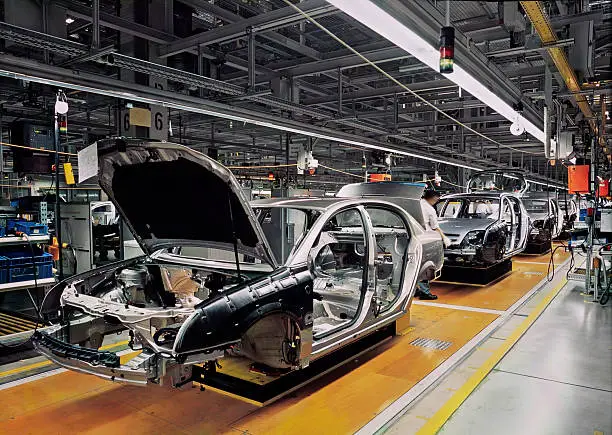
In the race to automate, it is tempting to be dazzled by the most complex and expensive technologies. The multi-axis robots and artificial intelligence systems are incredible tools that have reshaped the car industry. But a building is only as strong as its foundation. In car manufacturing, your automation system is only as reliable as its most fundamental components.
The true, sustainable, and long-term ROI you seek is not just in the initial “wow” factor. It is won in the grueling, repetitive, minute-by-minute reality of the production line. It is won by choosing components that are simple, robust, and cost-effective. It is won by preventing downtime. Before you finalize the budget for your next multi-million dollar automation line, ask your team about its foundation. Are you building on a complex system—one that might even include fraud detection modules for its software—that will be expensive and difficult to maintain, or on a proven foundation of reliability?
Leading automotive manufacturers understand that reliability in manufacturing is just as important as innovation in vehicle design. Your automation future is only as strong as the components that power it. Contact our engineering team today to evaluate your pneumatic solutions and build a foundation that truly secures your ROI.

 English
  Spanish
  French
  Russian